Tips for Getting the Most From a Weight-Loss Supplement
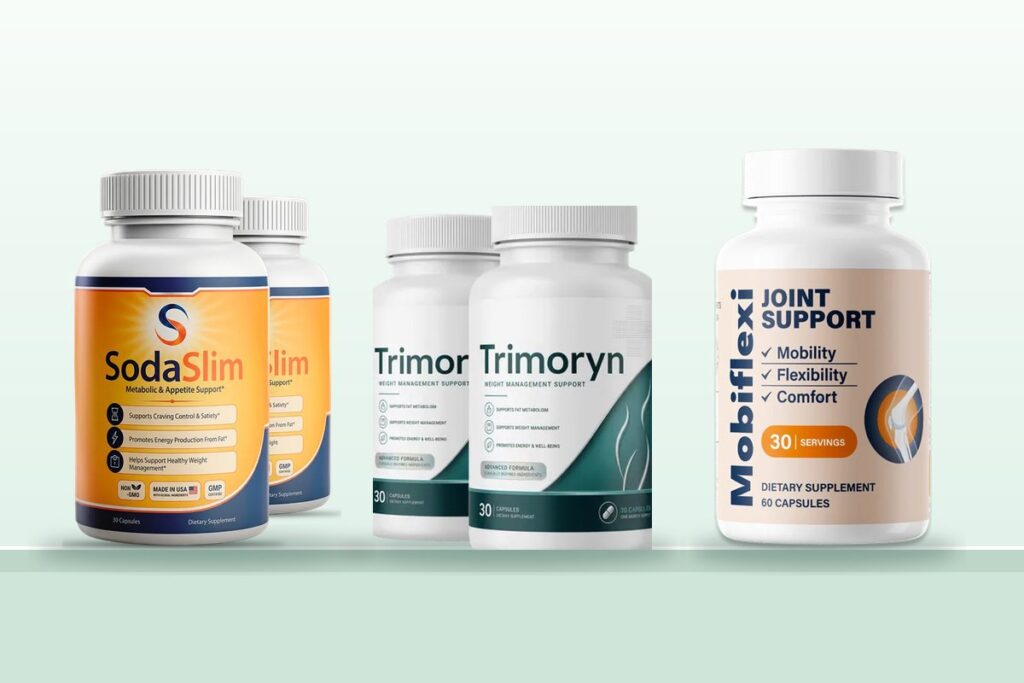
If you have decided to include a supplement in your weight-loss plan, you naturally want to get the most from it. The most important thing to understand is that a supplement works, at best, as a supporting player. Whatever effect it has depends heavily on the habits around it: what you eat, how much you move, how well you sleep and whether you take the product consistently and correctly. These practical tips help you use a supplement sensibly, safely and as part of a plan that can actually work.
1. Set realistic expectations
No supplement melts fat, replaces a balanced diet or makes exercise unnecessary. Products marketed with dramatic promises tend to disappoint. Expect, at most, a modest supporting role. When your expectations are realistic, you are more likely to judge a product fairly and less likely to abandon good habits when the scale moves slowly.
2. Talk to your doctor before you start
This is the single most important tip. Some supplement ingredients can interact with medicines, affect blood pressure or heart rate, or be unsuitable during pregnancy, while nursing or with certain health conditions. A short conversation with your doctor helps you avoid problems and choose something appropriate for you.
3. Choose a product you understand
- Read the full ingredient list and the amount of each ingredient per serving.
- Be cautious with proprietary blends that hide individual amounts.
- Check for stimulants such as caffeine, especially if you already drink coffee or energy drinks, or have trouble sleeping.
- Look for quality signals such as independent third-party testing.
- Be skeptical of bold claims like “no diet or exercise needed”.
Our article on supplement myths and misconceptions explains more about what to watch for.
4. Follow the label exactly
Take the serving size the label recommends, at the times it recommends. Taking more than directed does not produce better results and can raise the risk of side effects. If the label says to take a product with food or water, do so.
5. Be consistent
Skipping days and then doubling up is not a good strategy. Build the supplement into an existing routine, such as breakfast or brushing your teeth, so it becomes automatic. A pill organizer or a phone reminder helps.
6. Build your eating habits first
A supplement cannot compensate for a diet that consistently provides more energy than you use. Before or alongside a supplement, work on the habits that matter most:
- Half your plate vegetables at lunch and dinner.
- Protein at every meal.
- Sensible portions of carbohydrates and fats.
- Water instead of sugary drinks.
- Planned snacks rather than grazing.
Our guide to eating healthy covers these in detail.
7. Stay active
Regular movement supports weight loss, mood, sleep and overall health. Aim to build toward around 150 minutes of moderate activity each week, plus strength training twice a week. If you are just starting out, see how to start an exercise routine.
8. Prioritize sleep
Poor sleep is linked with increased hunger and cravings for many people, and it makes it harder to stick with any plan. Aim for a consistent bedtime and wake time, keep your bedroom cool and dark, and limit screens before bed. If your supplement contains caffeine or other stimulants, take it early in the day.
9. Drink enough water
Staying hydrated supports your overall wellbeing and helps you tell thirst apart from hunger. Some supplements, especially fiber products, need to be taken with plenty of water. In a hot, humid climate like Houston’s, you likely need more water than you think.
10. Manage stress
Stress can trigger emotional eating and disrupt sleep. Walking, stretching, breathing exercises, time outdoors and talking with friends can all help. Managing stress makes every other part of your plan easier.
11. Track how you feel and what changes
Keep a simple log for the first few weeks: when you took the product, your energy, sleep, appetite and any side effects, plus your weekly weight and waist measurement. A log helps you judge objectively whether the product is helping and spot any issues early.
12. Change one thing at a time
If you start a supplement, a new diet and a new workout plan in the same week, you will never know which change helped or which caused a problem. When possible, establish your eating and exercise habits first, then add the supplement and observe for several weeks.
13. Watch for side effects
Stop taking a product and contact your doctor if you notice symptoms such as a racing heart, jitteriness, headaches, digestive upset that does not settle, trouble sleeping, or anything else that concerns you. Do not try to push through side effects.
14. Review after a set period
Decide in advance how long you will try a product, often six to eight weeks, and review honestly at the end. Is it helping you stick with your plan? Is it worth the cost? If not, there is no reason to keep buying it.
15. Do not stack products without advice
Combining several weight-management supplements can multiply stimulant content and the risk of side effects. If you are considering more than one product, talk to your doctor first.
Store and handle supplements properly
Houston’s heat and humidity can affect some products. Store supplements in a cool, dry place, not in a hot car or a steamy bathroom, keep lids closed tightly and check expiration dates. Keep all supplements out of reach of children.
The bottom line
To get the most from a weight-loss supplement, choose a product you understand, follow the label, take it consistently and, above all, surround it with healthy habits: balanced meals, regular activity, good sleep, hydration and stress management. Track your experience, review it honestly and keep your doctor in the loop. For a broader look at what supplements can and cannot do, read the benefits of using weight-loss supplements.