GLP-1 Diet ✓ Foods That Boost GLP-1, What to Eat & a Simple Meal Plan
A GLP-1 diet is a way of eating built around the foods that support the GLP-1 hormone your gut releases after meals, and that keep you well-nourished if you take a GLP-1 medicine. It is less a strict plan than a pattern: protein at every meal, plenty of fiber, healthy fats, small regular meals and few ultra-processed foods. Below you will find the foods linked to your own GLP-1, what to eat (and avoid) on Ozempic, Wegovy or Zepbound, a GLP-1 friendly grocery list and a simple meal plan.
✅ The GLP-1 diet in five lines
- Build each meal around protein: eggs, fish, poultry, Greek yogurt, tofu or beans.
- Add fiber you can tolerate: oats, barley, lentils, vegetables, berries.
- Cook with olive or canola oil and snack on nuts instead of chips or sweets.
- Eat small meals at regular times and stop when comfortably full.
- Limit sugary drinks, refined carbs, fried and fast food, and keep alcohol minimal.
What is the GLP-1 diet?
GLP-1 (glucagon-like peptide-1) is a hormone made by cells in your intestine as food arrives. It helps the pancreas release insulin, slows how fast the stomach empties and tells the brain you have eaten. The prescription GLP-1 drugs are long-acting versions of that signal.
So the phrase GLP-1 diet gets used in two ways. Some people mean eating to make the most of their own GLP-1 response. Others mean what to eat on GLP-1 medication, when appetite drops sharply and every bite has to count. The good news is that the advice is almost the same for both, and it looks a lot like a balanced, whole-food diet.
Foods that increase GLP-1 naturally
GLP-1 release is triggered by nutrients reaching the gut. Research reviews name protein building blocks (peptides and amino acids), monounsaturated and polyunsaturated fats, and short-chain fatty acids made when gut bacteria ferment fiber. In human studies, fermentable fibers have raised GLP-1, a whey protein drink before a meal raised the GLP-1 response, and adding olive oil to a test meal did the same. Other trials found smaller or no effects, so treat these GLP-1 foods as a sensible base rather than a hack.
| Food group | Examples | Why it is on the list |
|---|---|---|
| Protein | eggs, Greek yogurt, cottage cheese, fish, chicken, tofu, whey | amino acids and peptides are direct triggers for GLP-1; protein also protects muscle during weight loss |
| Fermentable fiber | oats, barley, beans, lentils, chickpeas, onions, asparagus | gut bacteria turn it into short-chain fatty acids that act on GLP-1 cells |
| Vegetables | broccoli, leafy greens, tomatoes, carrots, peas, squash | fiber and volume for few calories |
| Fruit | berries, apples, citrus, banana, grapes | fiber and nutrients when portions are small |
| Healthy fats | olive oil, canola oil, avocado, almonds, peanuts, chia seeds | unsaturated fats raised GLP-1 in meal studies |
| Whole grains | quinoa, brown rice, whole-grain bread and pasta | slower carbohydrate plus fiber |
How to boost GLP-1 naturally: habits that help
Beyond individual foods, a few habits make the most of whatever GLP-1 your body produces and line up with what clinicians recommend:
- Lead with protein and vegetables. Eat them before the bread or rice on your plate.
- Choose intact grains and legumes over white flour and sugar; they digest more slowly and feed the bacteria that make short-chain fatty acids.
- Do not go hours without eating and then overeat. Regular, smaller meals are easier on blood sugar and on the stomach.
- Move every day and lift something twice a week. Strength training is a priority in every GLP-1 nutrition guideline because it protects muscle.
- Sleep and stress count. The 2025 advisory lists sleep and stress alongside diet and activity as lifestyle factors to address.
What to eat on GLP-1 medications (Ozempic, Wegovy, Zepbound)
In 2025 the American College of Lifestyle Medicine, the American Society for Nutrition, the Obesity Medicine Association and The Obesity Society published a joint advisory on nutrition for people on GLP-1 therapy. Its message is simple: when you eat far less, what you eat matters more. It recommends a variety of nutrient-dense, minimally processed foods, namely fruits, vegetables, whole grains, legumes, lean proteins, nuts and seeds, and points out that people eating fewer than about 1,200 calories a day (women) or 1,800 (men) are at higher risk of running short on vitamins and minerals.
Protein first
Rapid weight loss can take muscle and bone with it. The advisory makes sufficient protein a priority, combined with structured strength training. For reference, the standard adult allowance is 0.8 g of protein per kilogram of body weight per day, and targets of 1.2 to 1.6 g/kg have been proposed during active weight loss. When appetite is low, the advisory suggests soft, easy options such as smoothies and protein drinks made with fruit and unsweetened milk or yogurt, cottage cheese and soups.
Nutrients to watch
The nutrients it flags as being at risk include iron, calcium, magnesium, zinc and vitamins A, D, E, K, B1, B12 and C. Unusual tiredness, heavy hair loss, flaky or itchy skin, muscle weakness and slow-healing cuts can be signs of a shortfall, and supplements such as vitamin D, calcium, B12 or a multivitamin may be considered with your clinician.
Managing nausea and constipation
Stomach side effects are most common when you start or move up a dose. The advisory’s practical tips: eat a small breakfast and then small meals every three to four hours, drink enough fluids, try ginger or peppermint tea, and avoid fatty or high-fiber foods for the first few days of treatment if nausea hits. For constipation, fluids and fiber from foods help; for diarrhea, skip large or high-fat meals. Dehydration from vomiting can strain the kidneys, so keep drinking.
Foods to avoid on GLP-1
The same advisory lists what to minimize or avoid, and it doubles as a list for anyone following a GLP-1 diet without medication:
| Minimize or avoid | Why |
|---|---|
| Refined carbs and added sugars (white bread, pastries, candy) | fast sugar, little fiber or protein |
| Sugar-sweetened drinks | calories that do not fill you up |
| Red and processed meats | listed by the advisory to limit |
| Most fast food, fried and greasy meals | high fat is a common nausea trigger |
| Sweet and savory snacks | easy to overeat, low in nutrients |
| Large meals | a slowed stomach handles small portions better |
| Alcohol beyond minimal amounts | can worsen nausea and reflux on GLP-1 therapy |
This is not about never eating a treat. The advisory itself encourages flexibility and portion-controlled treats; the goal is that most of your plate comes from the first list, not this one.
GLP-1 friendly foods: a grocery list
Keep these GLP-1 friendly foods stocked and the meal plan below almost builds itself:
- Protein: eggs, plain Greek yogurt, cottage cheese, canned tuna or salmon, chicken breast, tofu, tempeh, unflavored whey or plant protein powder.
- Fiber and carbs: rolled or steel-cut oats, barley, quinoa, brown rice, whole-grain bread, canned beans, lentils, chickpeas.
- Vegetables: broccoli, spinach, salad greens, tomatoes, carrots, frozen peas, zucchini and squash.
- Fruit: berries (fresh or frozen), apples, oranges, bananas.
- Fats: extra-virgin olive oil, avocado, almonds, peanut butter, chia seeds.
- For queasy days: broth-based soups, ginger or peppermint tea, plain crackers.
A simple GLP-1 meal plan
Use this GLP-1 meal plan as a template, not a prescription. Portions should match your appetite and calorie needs; on medication, many people find half portions are plenty.
| Meal | Day 1 | Day 2 | Day 3 |
|---|---|---|---|
| Breakfast | Greek yogurt, berries, chia seeds | 2-egg veggie omelet, whole-grain toast | overnight oats with milk and protein powder |
| Lunch | lentil soup, side salad with olive oil | tuna and white-bean salad on greens | chicken, quinoa and roasted vegetable bowl |
| Snack | apple with peanut butter | cottage cheese with tomato | small handful of almonds |
| Dinner | baked salmon, broccoli, brown rice | tofu and vegetable stir-fry, barley | turkey chili with beans |
Three quick GLP-1 recipes
- Protein berry smoothie: blend 1 cup unsweetened milk, half a cup of frozen berries, a scoop of whey or plant protein and a spoon of chia seeds. Easy to sip when solid food feels like too much.
- Tuna and white-bean salad: mix a can of tuna, half a can of rinsed white beans, cherry tomatoes, lemon juice and a teaspoon of olive oil. Protein, fiber and healthy fat in five minutes.
- Sheet-pan salmon: roast a salmon fillet with broccoli and carrots, drizzled with olive oil, at 400°F for about 15 minutes. Serve with a small scoop of brown rice.
Drinks, coffee and supplements on a GLP-1 diet
Water should be the main drink, especially on medication, because nausea and smaller meals make dehydration more likely. Coffee and tea are fine for most people, though strong coffee on an empty stomach can bother a sensitive gut. Skip sugary coffee drinks, which undo the work of the rest of the day.
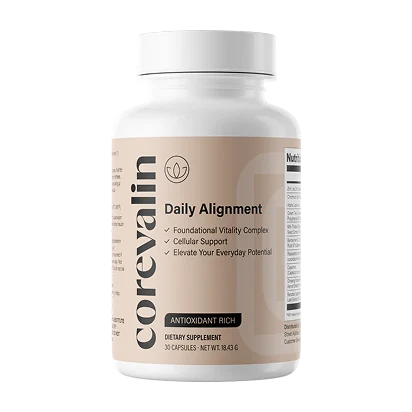
Some people add a daily supplement to support steady blood sugar. Corevalin is a once-a-day capsule for adults over 40 with zinc and chromium plus eight plant actives. Its two minerals carry the label’s claims: zinc for normal carbohydrate metabolism, and chromium for keeping blood glucose levels in the normal range. Its full label is on the Corevalin ingredients page. A supplement is not a GLP-1 medicine and does not replace one; if you are on a prescription, check with your prescriber before adding it.
From $59.99 $19.99 per pack
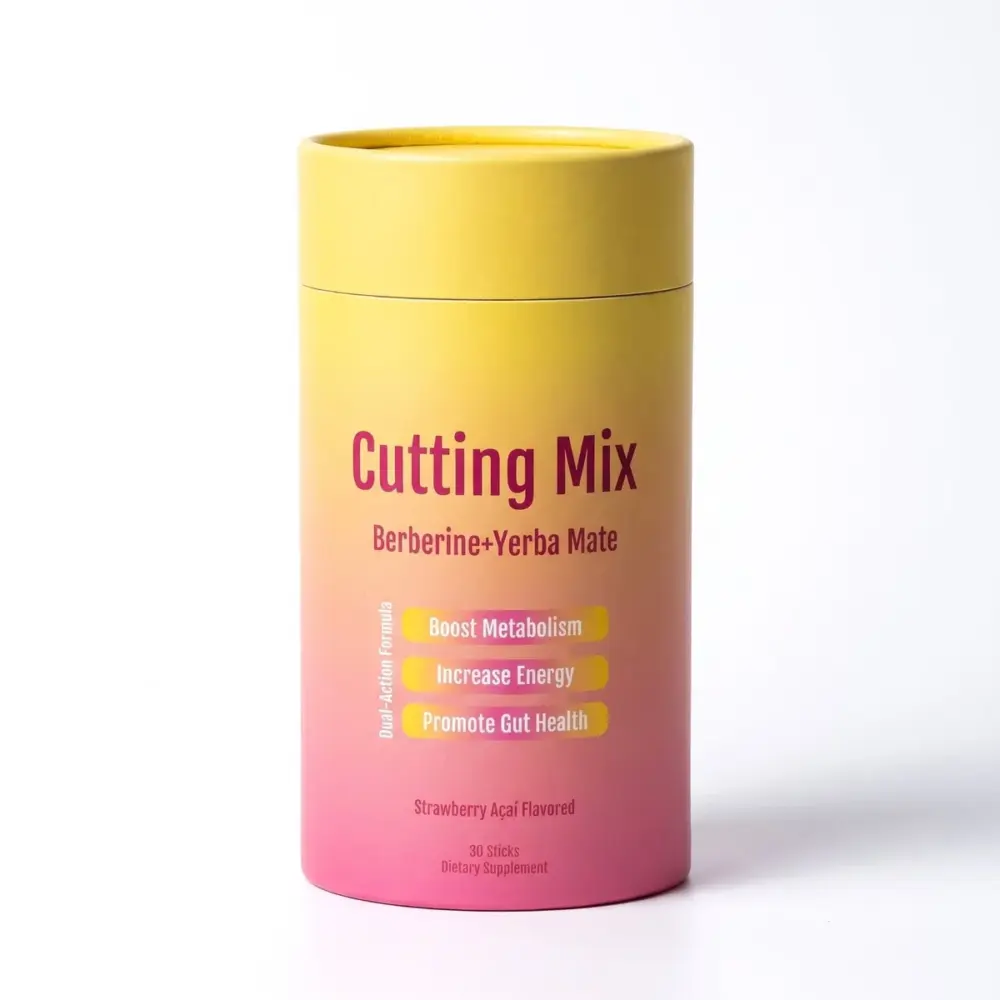
If you would rather drink your supplement, LeanMate Cutting Mix is a berberine and yerba mate drink mix; we explain what berberine can and cannot do in our natural GLP-1 supplements guide. And if you are weighing a prescription, the GLP-1 pill guide compares the Wegovy pill, Foundayo and the injections on price.
GLP-1 diet: FAQ
What is the GLP-1 diet?
It is not one branded plan. People use the term for two things: eating in a way that supports the GLP-1 your gut makes after meals (protein, fiber, healthy fats, whole foods), and eating well while taking a GLP-1 medicine such as Ozempic, Wegovy or Zepbound. The food choices overlap almost completely.
What foods increase GLP-1 naturally?
Foods rich in protein (eggs, fish, Greek yogurt, whey), fermentable fiber (oats, barley, beans, lentils, vegetables) and unsaturated fats (olive oil, nuts, avocado) are the ones studies link to a higher GLP-1 response after meals. Human results are mixed, so think of them as helpful, not dramatic.
What should I eat on Ozempic or Wegovy?
A 2025 joint advisory from four obesity and nutrition societies recommends nutrient-dense, minimally processed foods: fruits, vegetables, whole grains, legumes, lean proteins, dairy, nuts and seeds, with enough protein and strength training to protect muscle, in small regular meals.
What foods should I avoid on a GLP-1?
The advisory lists refined carbohydrates and added sugars, sugar-sweetened drinks, red and processed meats, most fast food, sweets and savory snacks, large meals and more than minimal alcohol. Greasy, high-fat meals are the most common trigger for nausea.
How much protein do I need on a GLP-1?
The standard adult allowance is 0.8 g per kilogram of body weight a day, and the advisory notes that targets of 1.2 to 1.6 g/kg have been proposed during active weight loss. Your clinician or a registered dietitian can set your own number.
Is there a GLP-1 meal plan I can follow?
Use the sample day in this guide as a template: a protein-forward breakfast, a fiber-rich lunch, a small snack and a lean protein dinner with vegetables. On a GLP-1 medicine, smaller portions and regular timing matter more than any exact recipe.
Can coffee or supplements boost GLP-1?
Coffee is fine for most people but can upset a sensitive stomach. No supplement replaces GLP-1 medicine; some, like berberine drink mixes or chromium capsules, are used as part of a routine. Ask your prescriber before adding anything if you take a GLP-1 drug.
Sources
- Nutritional priorities to support GLP-1 therapy for obesity: a joint advisory (ACLM, ASN, OMA, TOS), Obesity, 2025
- Dietary impact on fasting and stimulated GLP-1 secretion: a narrative review (Am J Clin Nutr, 2024)
- Glucagon-like peptide 1 (GLP-1), Molecular Metabolism, 2019
- Premeal protein-enriched, dietary fiber-fortified bar and energy intake (Diabetes Metab J, 2019)