Natural GLP-1 Supplements ✓ What Berberine Does & What Science Says
Natural GLP-1 supplements are dietary supplements built on ingredients, berberine above all, that are said to help the body release more of its own GLP-1, the gut hormone behind today’s best-known weight-loss shots. They are not prescription drugs, they do not contain semaglutide or tirzepatide, and the results people get are far smaller. Below is what berberine and the other “GLP-1 booster” ingredients actually do, what the human studies show, the side effects to watch for, and how to choose a product without falling for drug-style promises.
✅ The short answer
- GLP-1 is a hormone your gut makes after meals. No supplement contains it or copies the drugs.
- Berberine has the most human research: in a 2020 meta-analysis of randomized trials it lowered body weight by about 2.07 kg (4.5 lb) on average.
- Fiber, protein and healthy fats raise GLP-1 after a meal in some studies; results in people are mixed.
- Common berberine side effects are stomach-related: nausea, diarrhea, bloating, constipation. Skip it if pregnant or breastfeeding.
- Pick a label that lists every dose, keeps realistic claims and comes with a guarantee.
What GLP-1 is, and what “natural GLP-1” means
GLP-1 (glucagon-like peptide-1) is a hormone made by L cells in the lining of your intestine. It is released within minutes of eating and does three useful things: it tells the pancreas to release insulin when blood sugar rises, it holds back glucagon, and it slows the stomach and signals fullness to the brain. Your natural GLP-1 only lasts a couple of minutes in the blood before an enzyme breaks it down. That short life is exactly why drug makers built long-acting versions.
So when a product calls itself a natural GLP-1 or a GLP-1 booster, it can only mean one thing: an ingredient that may help your own L cells release a little more of the hormone, or help with the same goals (steadier blood sugar, fewer cravings) by another route. It does not put GLP-1 into your body, and it does not last for a week the way a weekly injection does.
Are natural GLP-1 supplements the same as Ozempic or Wegovy?
No. Ozempic, Wegovy and Rybelsus contain semaglutide; Mounjaro and Zepbound contain tirzepatide; Foundayo contains orforglipron. All of them are prescription GLP-1 receptor agonists that the FDA reviewed in large clinical trials. A supplement is a different legal category: under US law the companies that sell supplements are responsible for evaluating safety and labeling before marketing, and they are not allowed to claim their product treats obesity or any disease.
That is why nicknames like nature’s Ozempic deserve a raised eyebrow. They describe a hope, not a result. If you want a medicine that has been tested for weight loss, our guide to the GLP-1 pill, its cost and how to get one online walks through the prescription options. If you want a daily supplement as part of your routine, read on.
Berberine for weight loss: what the studies show
Berberine is a yellow alkaloid found in several plants, including barberry, goldenseal, goldthread, Oregon grape and tree turmeric. It has a long history in traditional Chinese and Ayurvedic medicine and is now a common supplement in its own right. Merchants like to promote it as the closest thing to a natural GLP-1, and one berberine drink mix we sell describes it as a compound “often nicknamed ‘nature’s GLP-1.'” Here is what is behind that reputation.
Berberine and GLP-1: the lab evidence
The GLP-1 link comes mainly from animal and cell studies. In diabetic and normal rats, berberine raised GLP-1 secretion, and in rats on a high-fat diet it increased the number of GLP-1-producing cells in the colon. Researchers think it may work partly through bitter-taste receptors on gut cells and partly by changing gut bacteria, which then produce short-chain fatty acids that act on L cells. Not every study agrees: one trial in diabetic rats found no change in GLP-1 at all. Human data on the GLP-1 effect itself are thin.
Berberine weight loss in human trials
The human evidence is about results, not mechanism. A 2020 systematic review and meta-analysis of randomized controlled trials found that berberine lowered body weight by an average of 2.07 kg (about 4.5 pounds) and BMI by 0.47 points compared with control groups. A newer obesity-focused review reported a smaller drop, under 1 kg, and flagged weak blinding in several trials. For blood sugar the picture is stronger: an NIH summary of a 2021 review of 46 studies with 4,158 people with type 2 diabetes says berberine may lower blood glucose and insulin resistance, though most studies were done in China and quality varied.
Put plainly: berberine weight loss is real but small, and it seems to work best alongside changes in what and how much you eat.
Berberine dosage for weight loss
No agency has set a berberine dose for weight loss. According to the NIH’s National Center for Complementary and Integrative Health, doses used in clinical situations, 200 to 1,000 mg two to three times a day, are considered safe. Products vary widely: some capsules hold 500 mg, while drink mixes often use around 300 mg per serving combined with other ingredients. Stick to the amount on your label and do not stack several berberine products.
Best time to take berberine
Because the trials usually split berberine across meals, most people take it with food. That also tends to be easier on the stomach. If your product is a once-daily serving, take it at the time the label suggests and keep it consistent.
Other ingredients sold as GLP-1 boosters
Berberine is not the only name on “GLP-1 supplements” labels. These are the ingredients you will see most often, why they are linked to GLP-1 and how strong the support is:
| Ingredient | Why it is linked to GLP-1 | What the evidence looks like |
|---|---|---|
| Berberine | Raised GLP-1 secretion in rat and cell studies | Human trials: small average weight loss, clearer effect on blood sugar |
| Fermentable fiber (inulin, FOS, oat and barley beta-glucan) | Gut bacteria turn it into short-chain fatty acids that can trigger L cells | Some human studies show higher GLP-1 after fiber; the exact role of the fatty acids is unclear |
| Protein (especially whey) | Amino acids and peptides are direct triggers for GLP-1 release | Pre-meal whey raised GLP-1 in small studies; longer trials are mixed |
| Probiotics | Some strains are studied for gut hormones and blood sugar | Early and strain-specific; a label claim says little on its own |
| Yerba mate | Studied for appetite and energy; contains caffeine | Limited and small human studies |
| Chromium | Involved in how the body handles carbohydrates and glucose | Not a GLP-1 ingredient as such; small studies on weight |
| Cinnamon | Traditionally used for blood sugar after meals | Mixed human results |
Notice the pattern: the closer an ingredient is to real food (protein, fiber), the more it overlaps with plain good eating. If you want the food side of this, see our GLP-1 diet guide with foods that support your own GLP-1.
GLP-1 vitamins, probiotics and “natural alternatives”
Search for GLP-1 vitamins or a GLP-1 natural alternative and you will find hundreds of capsules, gummies and powders. A few things to know before you buy:
- “GLP-1” on a label is not a regulated term. It does not mean the FDA tested the product for weight loss.
- Vitamins themselves do not raise GLP-1. Most GLP-1 vitamin products are blends of berberine, chromium, fiber or plant extracts with a few vitamins added.
- Probiotic claims are strain-specific. A study on one strain says nothing about another, so look for the exact strain names on the label.
- “Clinically proven” needs a citation. If the product cannot point to a published human trial of its own formula, treat the claim as marketing.
How to choose the best GLP-1 supplement (natural or not)
There is no single best pick for everyone, but good natural GLP-1 supplements pass the same checks:
- Every ingredient and its dose printed on the label, with no proprietary blend hiding the amounts.
- Ingredients with human research behind them, such as berberine, fiber or chromium, at doses close to those studied.
- No promise to replace a prescription, no “lose 30 pounds” headline and no before-and-after drug comparison.
- A format you will actually use every day: a capsule, or a drink mix if you would rather sip than swallow pills.
- A clear price per day and a money-back guarantee long enough to give it a fair try.
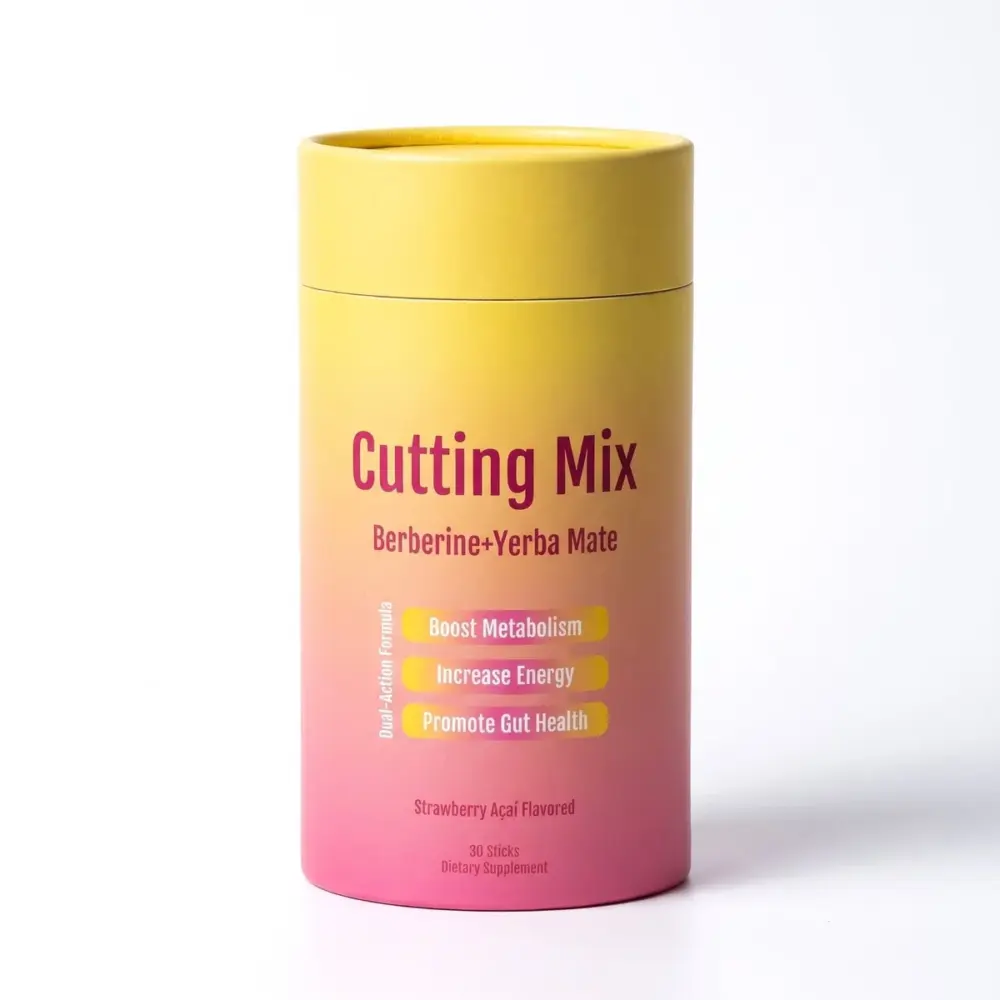
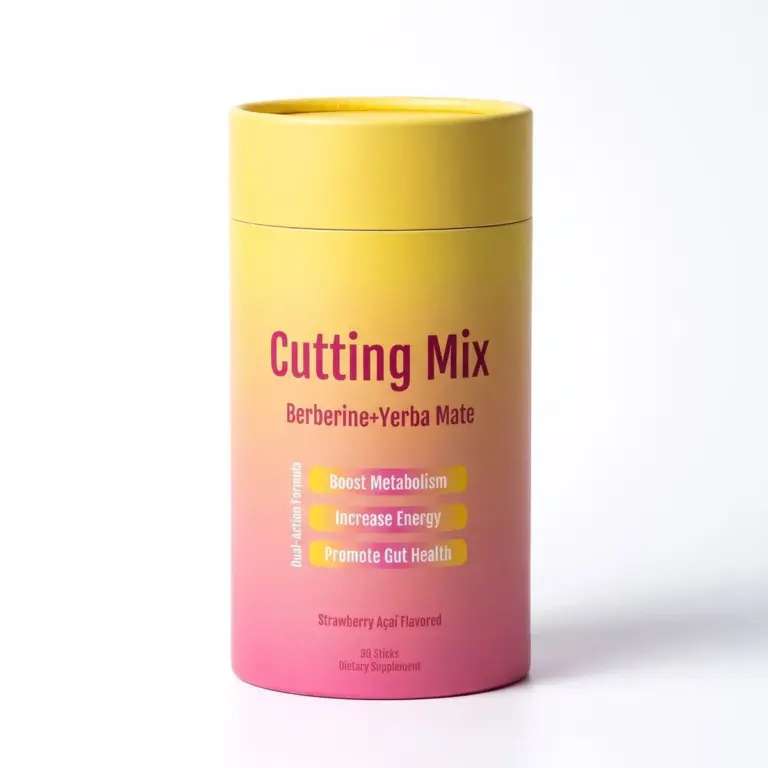
One option: LeanMate Cutting Mix (berberine + yerba mate)
If you prefer a drink to a capsule, LeanMate Cutting Mix is the berberine product in our shop. It is a strawberry-açaí powder in single-serve sticks that you stir into a glass of cold water once a day, at about 18 calories a serving. Each 6 g stick lists eight ingredients with their doses:
| Per stick | Amount |
|---|---|
| Berberine HCl | 300 mg |
| Yerba mate extract | 300 mg |
| FOS fiber | 500 mg |
| Magnesium | 200 mg |
| Chromium (picolinate) | 200 mcg |
| 5-HTP | 100 mg |
| Cinnamon bark | 100 mg |
| Ginger | 50 mg |
It is made to curb sweet cravings, support metabolism and give steady energy without a crash; the mate extract brings a small amount of natural caffeine. It is a dietary supplement, not a GLP-1 medicine. Every ingredient is explained on our LeanMate ingredients page, and does LeanMate work? covers results and the 90-day guarantee.
From $59.99 $35 per can
Berberine side effects and who should skip it
Berberine side effects are mostly digestive. The NIH lists mild-to-moderate nausea, diarrhea, bloating and constipation. In most controlled studies, adverse events were no more frequent with berberine than with placebo, and serious problems were rare.
- Pregnancy and breastfeeding: do not use berberine. It should never be given to infants because it has been linked to a dangerous buildup of bilirubin.
- Medicines: berberine may interact with some drugs. Talk to your doctor first if you take any prescription, especially for diabetes or blood pressure.
- Low blood sugar: because it lowers glucose, combining it with glucose-lowering drugs can push blood sugar too low.
- GLP-1 prescriptions: if you already use semaglutide or tirzepatide, ask your prescriber before adding any supplement.
Ways to support your own GLP-1 alongside a supplement
A supplement works best on top of habits that already help your natural GLP-1 response: building meals around protein and vegetables, choosing high-fiber carbohydrates like oats, beans and lentils, using olive oil, eating slowly and not skipping meals until you are ravenous. None of this is dramatic, but it is the part that the studies on GLP-1 and food keep pointing to. We cover it meal by meal in the GLP-1 diet guide.
Natural GLP-1 supplements: FAQ
Is there such a thing as a natural GLP-1?
Yes, in the sense that your own body makes GLP-1: it is a gut hormone released after you eat. There is no plant or vitamin that contains GLP-1 or acts like the prescription drugs. “Natural GLP-1” on a label means an ingredient that may nudge your own release of the hormone, not a substitute for semaglutide or tirzepatide.
Is berberine nature’s Ozempic?
No. “Nature’s Ozempic” is a nickname, not a finding. Berberine is a plant compound studied mostly for blood sugar and cholesterol; in pooled human trials it lowered weight by about 2 kg, a small fraction of what prescription GLP-1 drugs achieve. It is not a GLP-1 receptor agonist and it is not FDA-approved for weight loss.
Do GLP-1 supplements work?
They can support a routine, but the evidence is modest. Berberine has the most human data, with small average effects on weight. Fiber and protein raise GLP-1 after meals in some studies but not in others. None of them comes close to the prescription medicines, and none is approved to treat obesity.
What is the best GLP-1 supplement?
No independent ranking exists. Look for a product that prints every dose on the label (no proprietary blend), uses ingredients with human studies behind them, makes no drug-like promises and offers a money-back guarantee. In our shop, the berberine option is LeanMate Cutting Mix.
How much berberine should I take for weight loss?
There is no FDA-set dose for weight loss. The NIH’s complementary-health center notes that 200 to 1,000 mg taken two to three times a day is considered safe in clinical use. Follow the directions on your product’s label and talk to your doctor first if you take any medicine.
When is the best time to take berberine?
Studies usually give berberine with meals, split across the day, and taking it with food can also make stomach upset less likely. A once-a-day product is taken as its label says; LeanMate, for example, is one stick a day in cold water.
Can I take berberine with Ozempic, Wegovy or Zepbound?
Ask the clinician who prescribes your medicine first. Berberine can lower blood sugar and may interact with some drugs, and GLP-1 medicines also lower blood sugar and cause similar stomach side effects.
Are GLP-1 vitamins and GLP-1 probiotics real?
They are marketing categories, not a class of medicine. Most “GLP-1 vitamins” are blends of berberine, chromium, fiber or plant extracts; “GLP-1 probiotics” contain bacterial strains studied for gut health. Judge each one by its label and the studies behind each ingredient.
Sources
- NIH NCCIH — Diabetes and Dietary Supplements: What You Need To Know (berberine)
- NIH LiverTox — Berberine
- Berberine supplementation and obesity parameters: meta-analysis of randomized controlled trials (Clin Nutr ESPEN, 2020)
- Glucagon-like peptide 1 (GLP-1), Molecular Metabolism, 2019
- Dietary impact on fasting and stimulated GLP-1 secretion: a narrative review (Am J Clin Nutr, 2024)
- US FDA — Dietary Supplements